
Why create at all?
On creativity in the age of AI

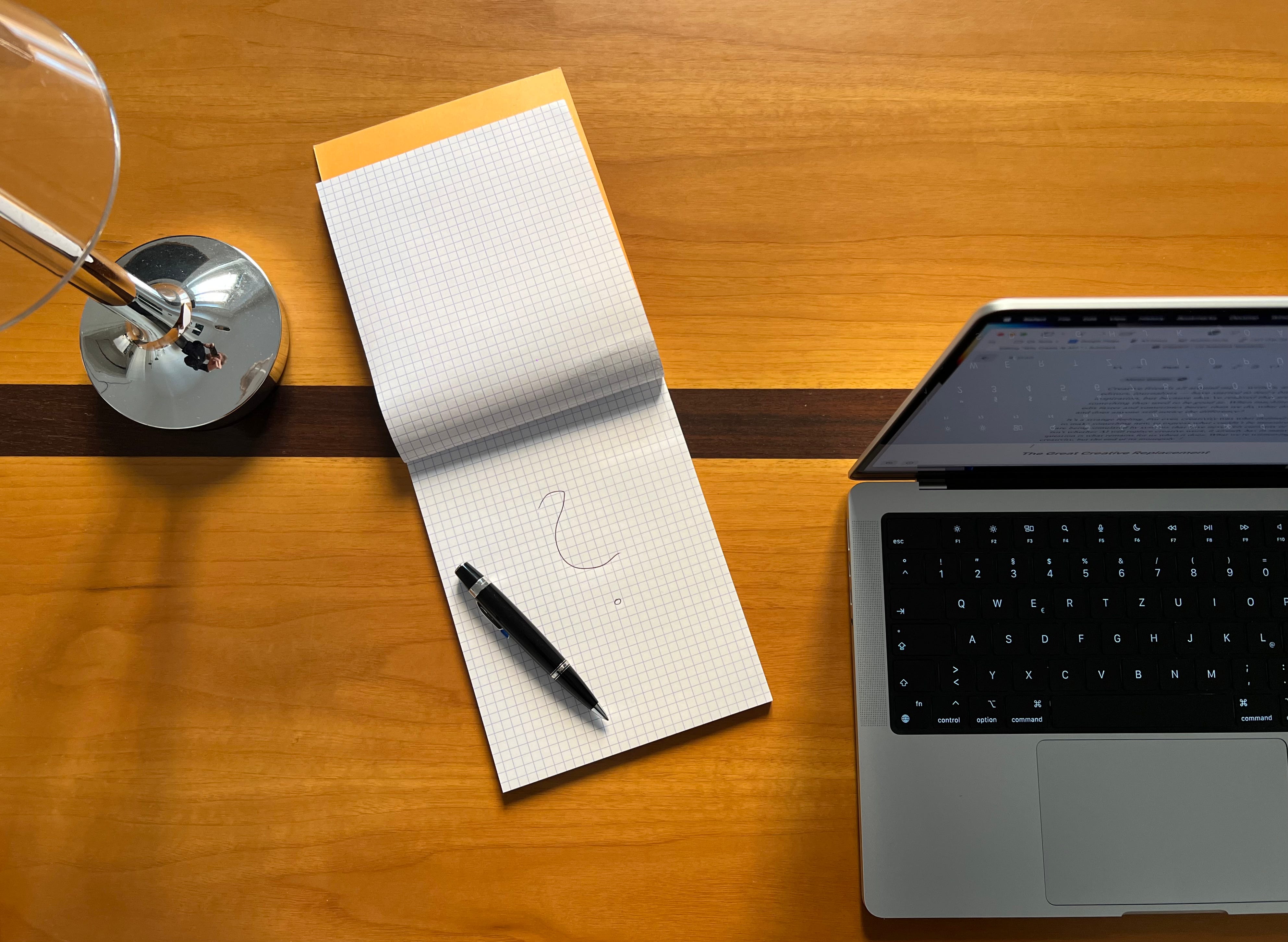
Creative friends all around me, whether writers, architects, designers, musicians, video editors or journalists, have started to feel a bit low lately. Not because they’ve lost inspiration, but because they’ve realised that artificial intelligence can now do something they used to be good at. When machines can write, compose, design, or edit faster and sometimes better than we do, what does it mean to be creative, and does anyone still notice the difference?
It’s a strange feeling. For as long as we can remember, creativity was what defined us: the ability to imagine, to make something new, to express what couldn’t be measured. Now, those same skills are being simulated by systems that have never felt curiosity or doubt. The question isn’t whether AI will replace creative work, it already has in many places. The question is what remains for us when it does. What we’re witnessing is not the end of creativity, but the end of its monopoly.
The creative replacement
In just a few years, creativity has quietly become one of the most automated human activities. According to a 2025 McKinsey report, employees across industries are adopting generative tools faster than most leaders expect. In creative and media fields, AI has already become part of everyday workflows, assisting with writing, design and content development while freeing up time for direction and strategy. What used to be manual, idea-driven work has turned into a collaboration between human intuition and machine precision — one that many still find both useful and unsettling.
Digital platforms like Suno and Udio have produced millions of AI-generated songs since their launch in 2023, more than human musicians release in an entire year. Text, images and videos can now be generated, adapted and multiplied with a single prompt. With OpenAI’s Sora, even full cinematic scenes can be created from short text descriptions, realistic enough to blur the line between imagination and simulation.
Behind this flood of creation lies an uncomfortable truth: all of it is built on us. Every model learns from our words, our images, our music. What AI generates is not invention but inheritance, the sum of what humanity has already created, compressed into probability. But the creative industries are starting to push back. Rolling Stone and Penske Media sued Google for using their content to train its models without consent. Artists have found their distinct styles replicated in datasets they never approved. The line between influence and exploitation is dissolving faster than copyright law can keep up.
AI doesn’t invent culture, it feeds on it.
The hidden cost of AI
There’s another price we rarely see. As philosopher and AI expert Kate Crawford writes in Atlas of AI, artificial intelligence is neither artificial nor intelligent. It is deeply material, powered by energy, mined resources and human labour. A Financial Times investigation revealed that a single large data centre can consume as much water as a small city. Training one large language model can emit as much CO₂ as five cars over their entire lifetimes.
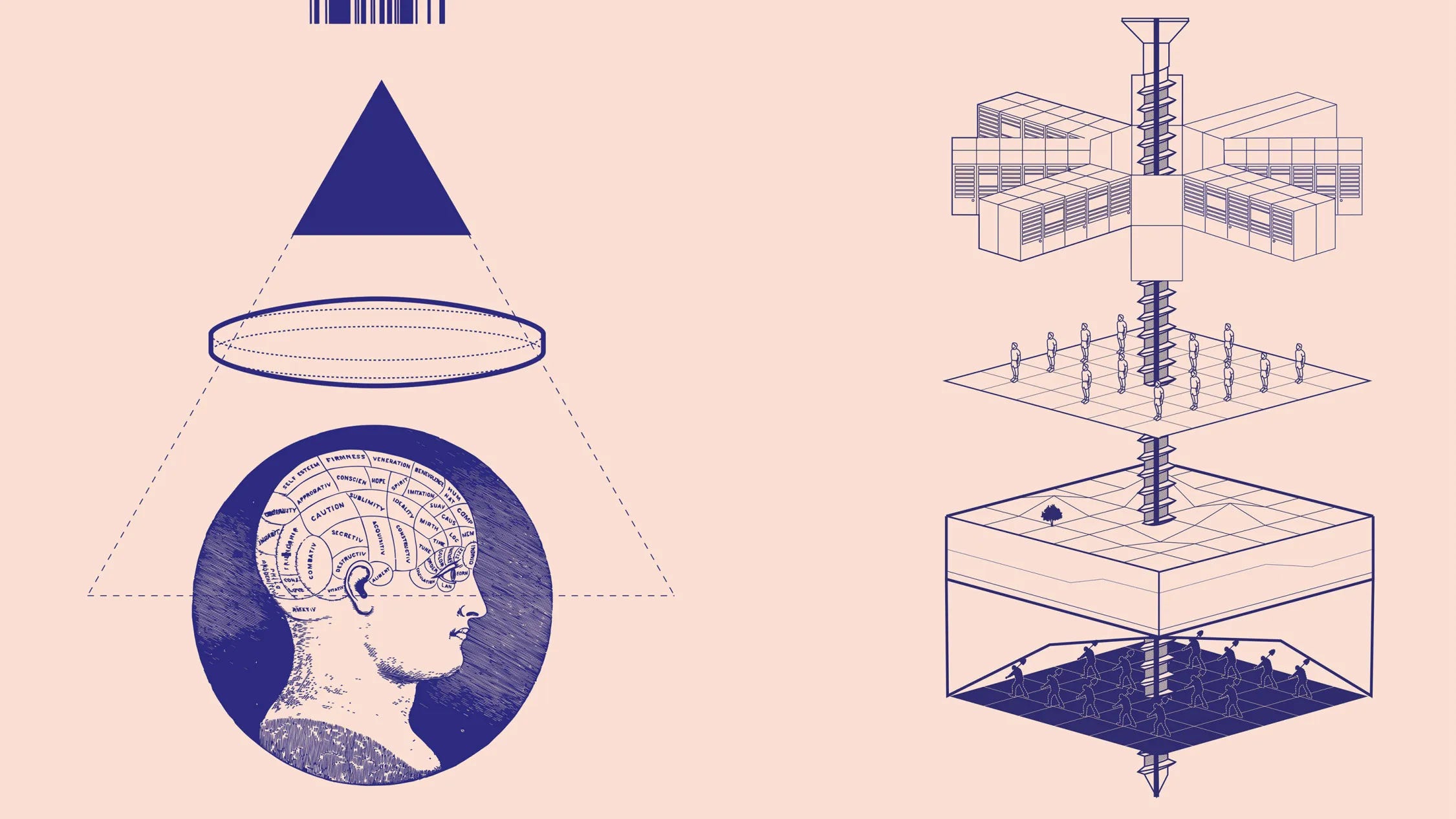
What we call “the cloud” is in reality a global network of cables, factories and warehouses that make our creativity possible, but also make it costly. So while AI feels weightless and effortless, it’s neither. Every generated image, every text, every song that never needed a musician has a footprint. What we gain in speed, we lose in substance.
When the digital gets boring
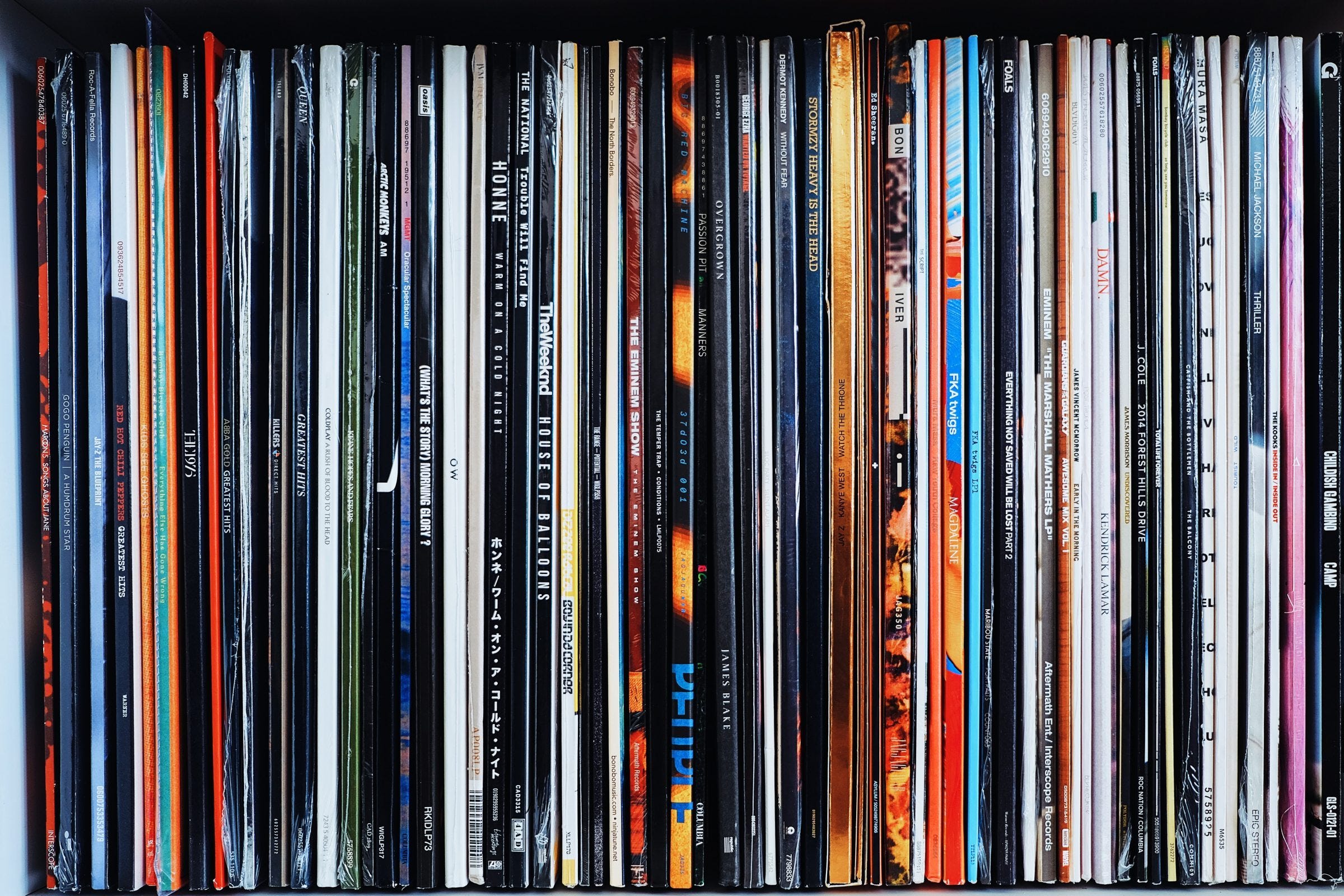
Curiously, the more digital our world becomes, the less it excites me. Each new “AI breakthrough” lands with less enthusiasm. The novelty has worn off. The future, once thrilling, has started to feel predictable. And maybe that’s why the analogue is quietly coming back. Vinyl records are selling more and more (44 million in 2024). Film cameras are back in fashion. People are rediscovering the value of touch, slowness and imperfection.
The more our culture becomes artificial, the more we crave what feels alive. When everything is generated, authenticity becomes an act of resistance.
AI is never creative. Only productive.
There’s a simple but essential distinction: AI is not creative, it’s productive. It can generate, recombine and remix almost endlessly, but it can’t imagine. It can’t feel the impulse that leads to creation in the first place. Creativity is not about output. It’s about consciousness, the act of transforming an inner state into something others can feel. Machines can simulate that transformation, but they don’t experience the world they describe.
AI can write a song, but it doesn’t know heartbreak.
It can design a building, but it doesn’t need to live in it.
That’s what makes human creativity irreplaceable. It’s not the skill. It’s the need. We create not because it’s efficient, but because we must, to make sense of the world, to communicate, to leave traces that mean something.
Redefining creativity in the age of AI
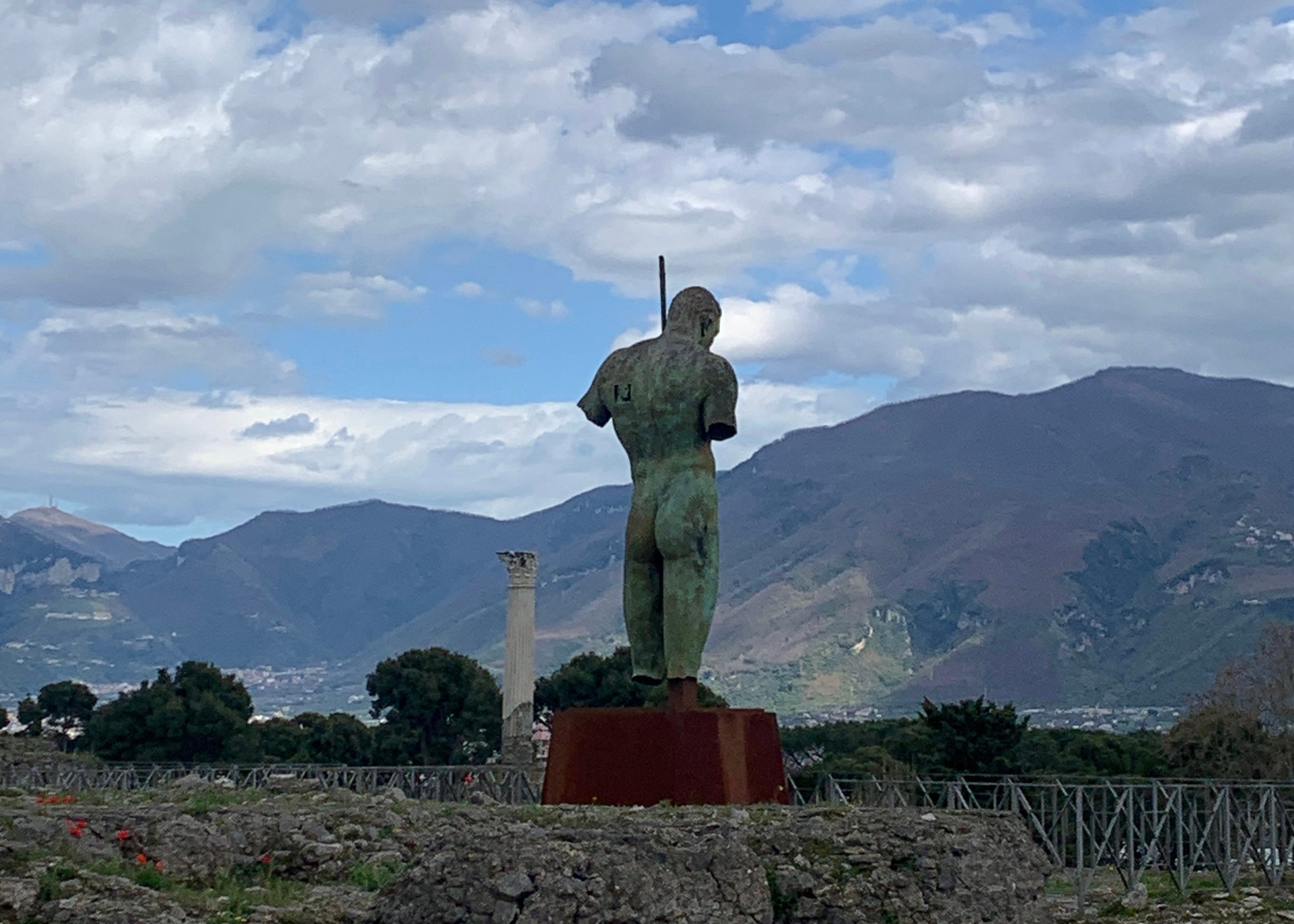
Perhaps this is what creativity will come to mean in the years ahead: less about producing, more about interpreting. Less about novelty, more about meaning. Artists like Holly Herndon and Mat Dryhurst are exploring what ethical, consent-based AI could look like, giving creators agency over how their data is used. Others, like the London-based producer Vegyn, use AI not as a shortcut but as an instrument. His project Headache, created with writer Francis Hornsby Clark, features an AI voice woven through his compositions. Synthetic yet deeply human, a dialogue between author and algorithm that still carries his distinct rhythm and emotion. “I’m one of the first people that have neither a heart nor a brain,” the voice says at one point, a reminder that even when machines speak beautifully, it’s still us who give them something to say.
Museums are experimenting with AI to make archives more accessible, but it still takes human curators to decide what stories are worth telling and which ones shouldn’t be told again. In a world that can generate infinite versions of anything, creativity becomes perception, seeing what matters and what doesn’t, knowing what to keep, what to discard, what to amplify.
Perception becomes a form of authorship, shaping culture not by adding more but by deciding what deserves attention. Machines can make things. We can make sense of them. In a sea of automated output, perception becomes the new imagination — a quieter, slower creativity built on awareness rather than acceleration.
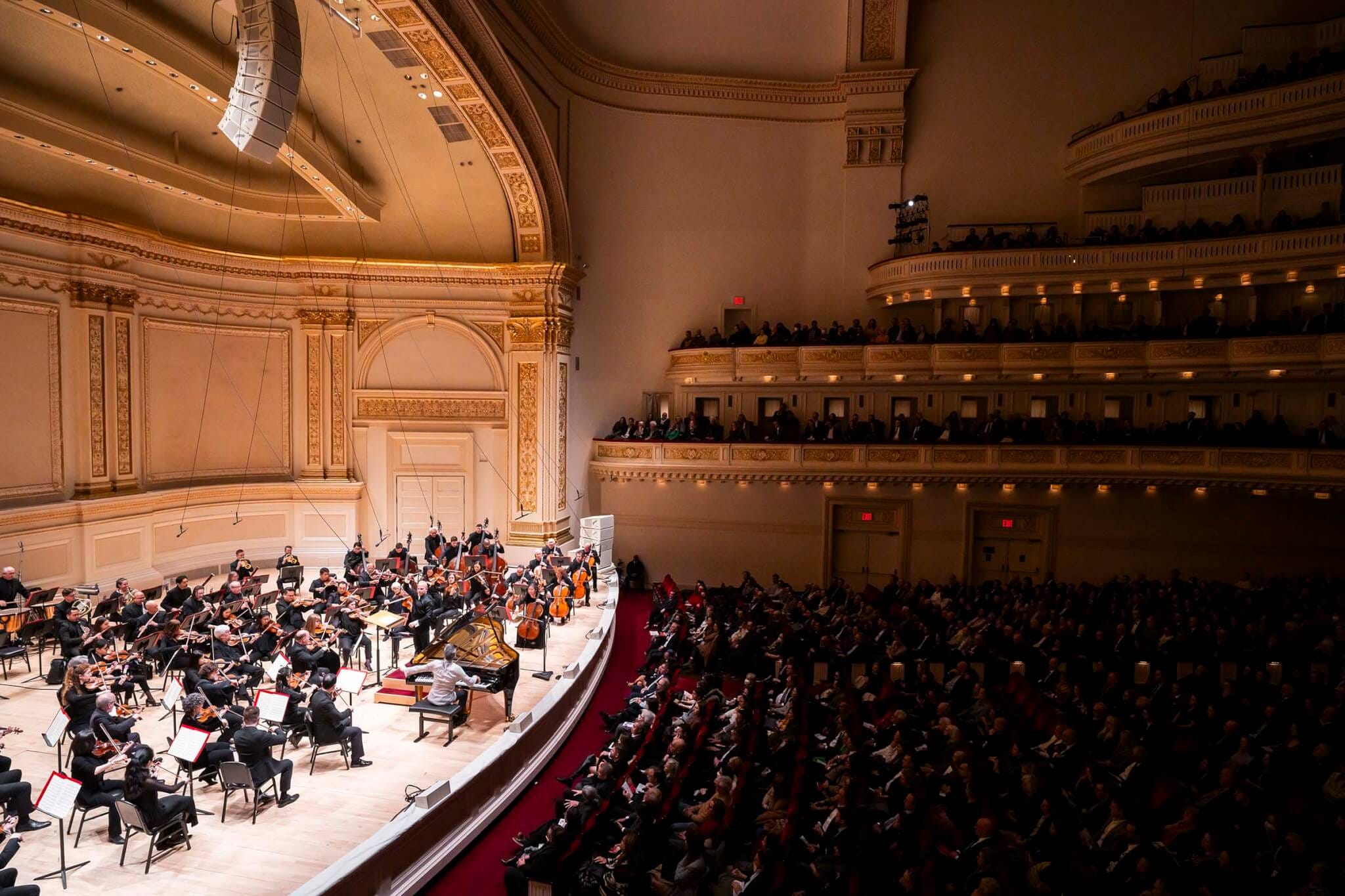
So what does that look like in practice? Reading fewer things but reading them deeper. Curating your feeds instead of scrolling them. Sharing work in person, not just online. Supporting human-made things, an album, an exhibition, a book, because they carry the trace of someone’s time.
We still need to create
The real reason to keep creating isn’t economic or ethical, it’s existential. Creativity is how we stay alive. It’s how we connect, process and orient ourselves in a world that increasingly runs without us. When you write, paint, play or design, you reaffirm your place in reality. You slow down the acceleration of automation and remember what it feels like to choose. Every creative act, however small, is a statement: I’m not a spectator, I’m a participant. To create is not only to express yourself, but to keep a space open for imagination, something societies lose when everything becomes optimised.
Machines don’t need meaning. We do.
And that’s why we have to keep creating, not to compete with AI, but to remain human alongside it.
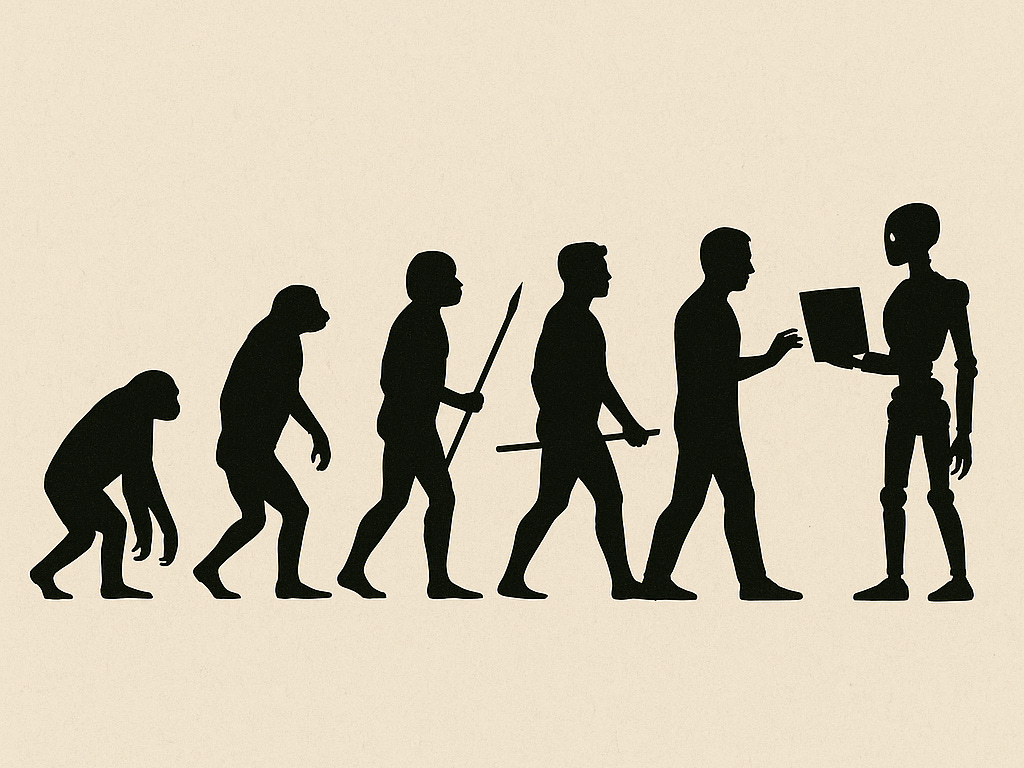
Creation as resistance
To be creative today is to resist the reduction of life to data. It’s to value the imperfect, the personal, the unquantifiable. It’s to make something slowly, consciously, with care, not because it’s better than what a machine can do, but because it means something to you. AI can generate a thousand versions of beauty, but it can’t feel awe. It can simulate depth, but not understanding. Maybe creativity, in this new world, isn’t about making something new at all, but about remembering what it means to be here.
*Moritz