
The Purpose Drift
How to stay human when efficiency takes over

We were in Turin for a weekend. Culture, slow hours, slow food, that rare sense of time expanding again. It’s a nice city, especially in autumn. My friend, a manager at a big Swiss firm, had promised himself not to check his phone. It still buzzed. “You should read your emails,” a colleague wrote. “The board just announced: three mandatory office days again, starting next Monday.” He sighed and said a little too agitated for the relaxed late-morning mood in the old coffee house: “So that’s it. Really? Why?”
It wasn’t the rule itself that struck me, but what it revealed. After years of talk about trust, flexibility, and purpose, corporate language across Europe sounds different now. Sharper, formal, almost nostalgic. Discipline. Focus. Efficiency. Words that promise clarity but often signal control.

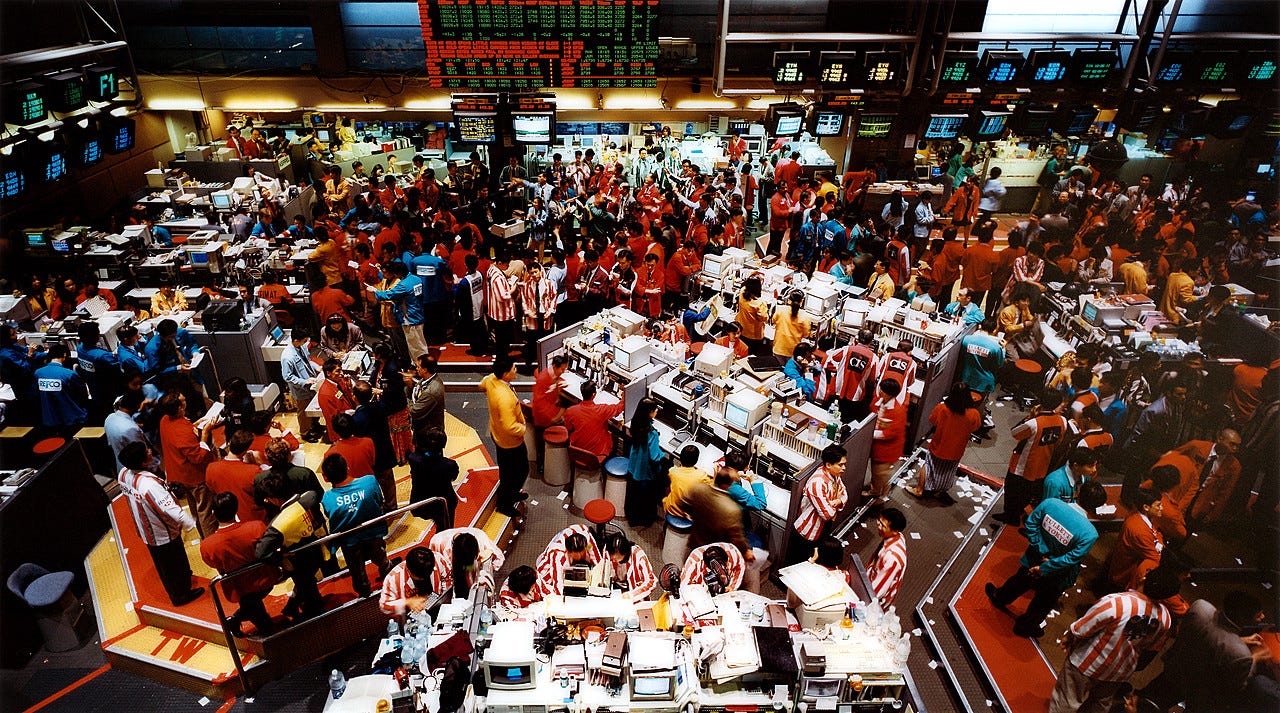
The return-to-office wave is only one symptom. What’s really happening is a shift of attention. Through the crises of recent years, many companies had begun to focus on people, culture and long-term responsibility. Now, that attention is fragmenting, climate, inclusion and wellbeing are quietly moving down the agenda, replaced by new buzzwords: productivity, performance, AI.
Culture vs. performance
Earlier this year, a Financial Times piece asked bluntly: Has corporate purpose lost its purpose? Many European leaders admitted that the rhetoric of meaning was hard to sustain amid inflation, wars and political instability. According to Harvard Business Review, many culture programs have turned performative, more storytelling than system-building. Employees sense the dissonance because what once inspired no longer feels real.
At the same time, McKinsey reports that AI has become the gravitational centre of many boardrooms, drawing in budgets, talent and strategic attention. Technology matters, but when it absorbs every conversation, human issues slip into the background.
Europe’s quieter regression
Compared with the United States, Europe still looks balanced. Remote flexibility remains higher, social protections stronger, and most large companies still talk seriously about sustainability. But under the surface, something is eroding. DEI (Diversity, Equity and Inclusion) budgets are shrinking and sustainability teams merge into compliance. HR, which just became People & Culture, is now turning into People Operations, with a greater focus on dashboards rather than dialogue.
Even brands that once treated inclusion as part of their identity are quietly stepping back. Earlier this year, Burberry confirmed the departure of its global diversity head as part of a wider restructuring, while Forbes reported that IBM and other firms are scaling back DEI programmes, citing “inherent tensions” with merit-based systems. These moves signal a broader retreat. What was once strategic culture work is now framed as overhead.

German and French surveys show declining trust in corporate sustainability promises and Italian executives increasingly frame flexible work as a privilege, not a principle. Ragazzi, come on! It doesn’t matter from where you work, if you do it successfully. Define your own principles and not just look at what’s trending right now. When culture and creativity leave the frame, so does the imagination that once made business human.
The cultural economy of purpose
Let’s be honest, the purpose-driven economy was never only about good intentions. It was an answer to exhaustion, a way for companies to find meaning after years of crisis capitalism. For a while, it worked. Culture, sustainability, and storytelling became strategy. Value and values were spoken in the same breath. But purpose also became an industry: managed, packaged, marketed. Sustainability itself became an economy, now moving well over a trillion euros each year in investments, services and branding. And, as with every cultural economy, when its symbols start to circulate faster than its substance, the meaning slowly disappears.
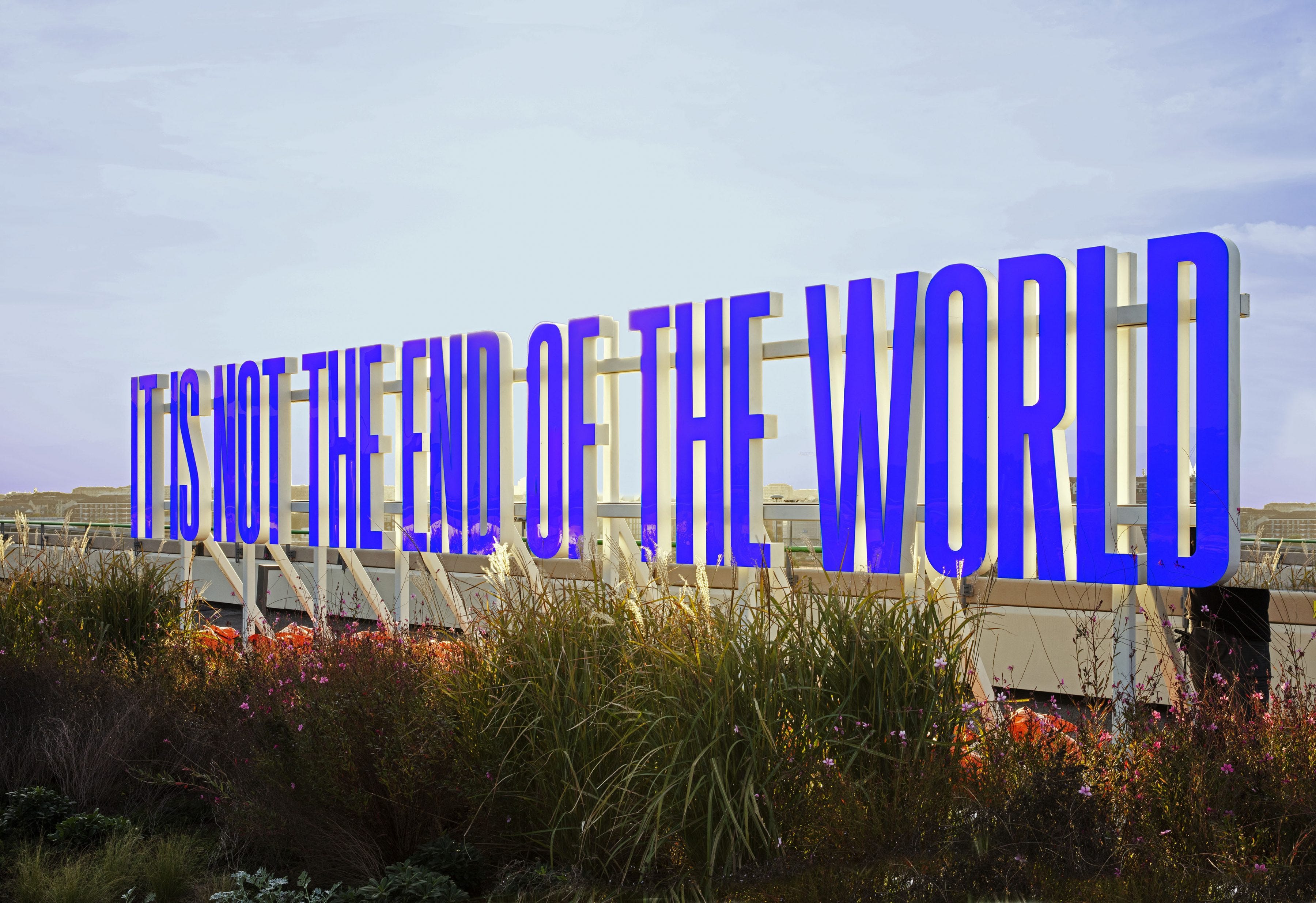
Now, as AI and cost-cutting dominate the agenda, the why of business is once again replaced by the how or the how much. Purpose was supposed to make companies more human; instead, the system made purpose more corporate.
How to restore attention
If distraction has become the dominant reflex, the response is not another initiative but a change in awareness. When culture shifts, you better notice or become history.
Trust before control
Where trust replaces surveillance, focus returns. Autonomy stimulates engagement and retention, as studies in Harvard Business Review show. When people own their work, they also own its quality.Space for depth
Where depth is protected, creativity survives. Some European firms already experiment with white-space mornings or reflection sessions, free from calls and email. Thinking time becomes part of work again, not a luxury outside it.The long view
Where continuity is valued over constant novelty, culture endures. Even when sustainability or inclusion no longer trend, the companies that keep them alive tend to keep their people as well.Reconnection
Attention is collective, not individual. Organisations that reconnect tech, design, sustainability and HR discover that shared purpose grows in conversation, not in departments. Discuss one common challenge rather than dozens of KPIs.Focus as care
Awareness is a form of empathy. The most forward-looking organisations listen to employees, customers and communities before they act. Cultures that notice people create work that matters to them.
This is not a list of idealism. It is a map of what we can do now, because we already see it happening. The question is who will scale it.
But let’s be clear, this isn’t about romanticising business. Okay, okay, I know: companies exist to grow, to make money, to compete. That’s the system we’re in, right? Still, it’s striking how quickly some leaders treat purpose as optional the moment someone like Trump or Musk declares it passé. As if meaning were a luxury product, only affordable in stable times.
Purpose isn’t the opposite of business. It’s what keeps business worth doing when everything else gets noisy. That’s why it’s worth investing in communication and meaning especially when business is thriving, not only when it struggles.
A few established companies have quietly done just that. Patagonia continues to secure environmental commitment into its ownership structure, LEGO links sustainability goals directly to executive pay, and Siemens keeps flexible work as a cornerstone of its culture.

What still matters
Maybe my friend’s company has good reasons to bring everyone back to the office. Maybe collaboration really does work better in person and culture grows faster over a coffee than on screen. But that’s not the point: his reaction and my thoughts after that morning in Turin captured something deeper:
It showed how quickly progress dissolves once attention drifts, and how fast the present can slip back to the past.
So, I’d say purpose isn’t gone, only distracted. The real work now is to stop inventing new missions and finish the ones we already started.
*Moritz