
Cameras Off
Why not everything should be captured, posted, or seen.

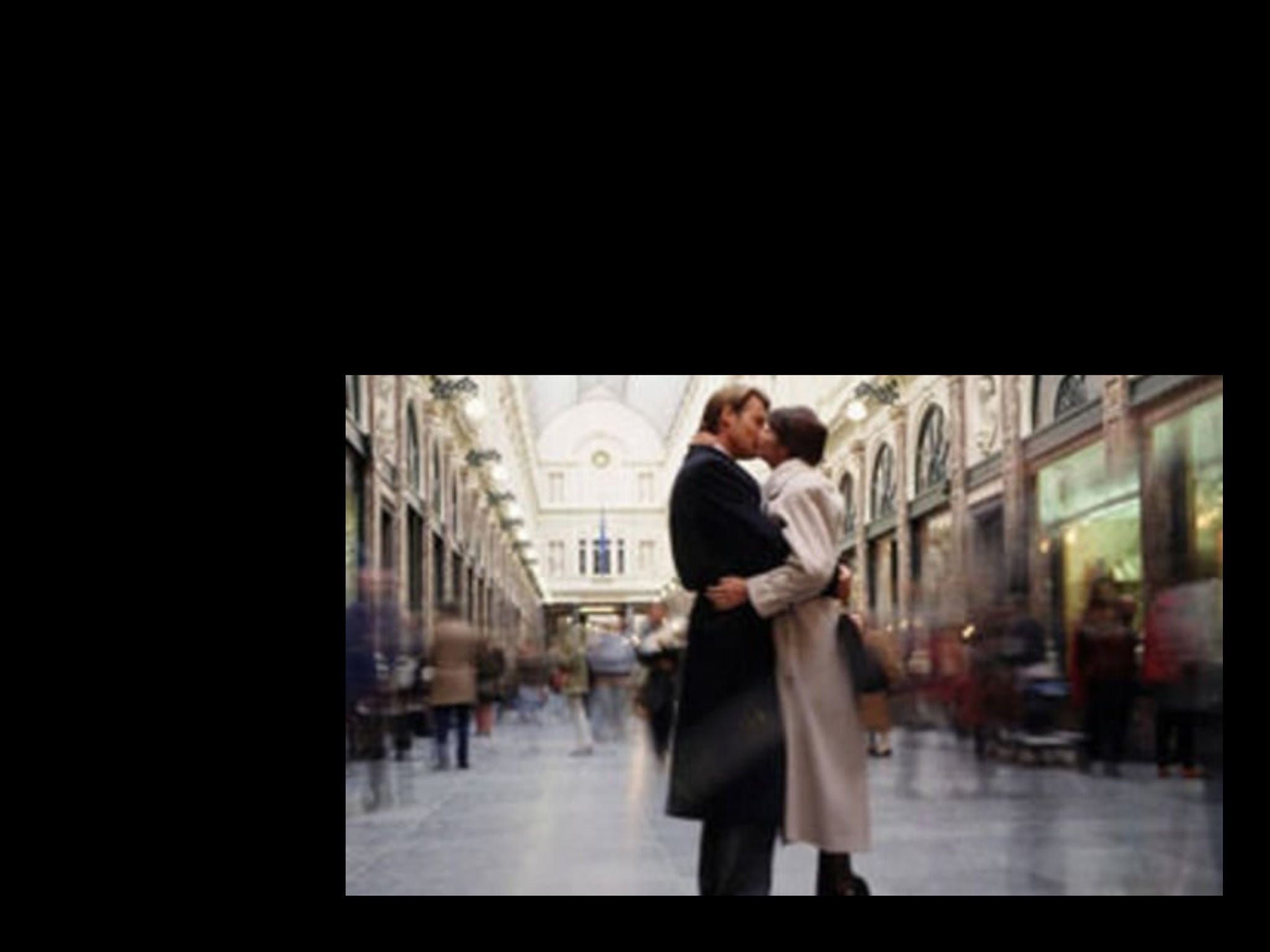
No. I didn’t follow the Coldplay kiss-cam scandal. I don’t follow Coldplay. I don’t follow what happens at Coldplay concerts. And I didn’t follow this story either.
But then it was orbiting everywhere. Even non-populist, I assumed, non-clickbait media like The Guardian picked it up (c’mon … ). A CEO and his HR lead. An awkward concert moment. And the internet, doing what it does best: expose, dissect, escalate. I moved on. Not because it wasn’t juicy, but because it felt like the hundredth iteration of the same pattern: a minor private incident turned into a global micro-drama, then swallowed by the algorithm.
And yet: tens of millions watched, shared, judged. The public trial didn’t unfold in a courtroom, it played out on the news and phone screens, in real time, under the guise of entertainment. Another private moment turned global spectacle. Another example of how little room we leave for imperfection, privacy, or simply being. Without being seen.
And meanwhile: a genocide continues in Gaza. On camera. A war in Ukraine. On camera. The rise of an American authoritarian president happening live. On camera. Tech billionaires plot their next world-changing ventures. A bit more hidden. And entire social systems are on edge. But sure, let’s dissect an affair.
This isn’t moral outrage. It’s exhaustion. And a deep discomfort with how warped our sense of relevance and humanity has become.
A continuation of the blur
I wrote earlier this year about the erosion of public space. How cafés, parks, and airports have become private zones where we tune each other out. But what happens when the inverse kicks in? When privacy itself collapses? When even our most fleeting, intimate, unguarded moments get pulled into the public sphere?
There’s no off-switch anymore. Everything is potentially visible. Conversations. Relationships. Mistakes. A colleague at a bar. A partner’s expression at the wrong time. Any moment that lives longer online than it did in real life.
We’ve stopped distinguishing between presence and performance. Between being somewhere and broadcasting that we are.
The end of exclusivity
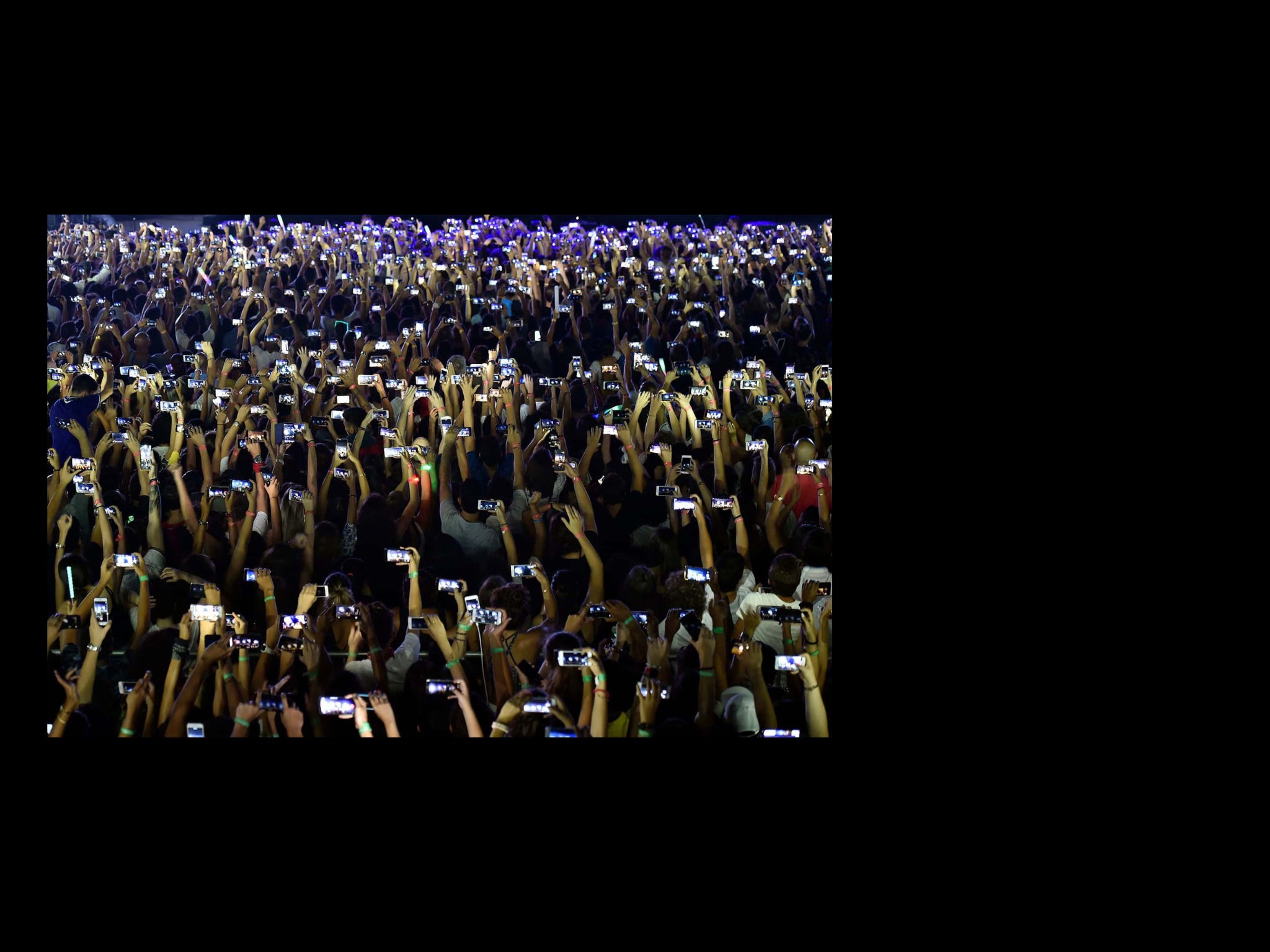
It’s a fact. At concerts, raves, public events, almost everyone is filming. Not a highlight. Not a chorus. The entire performance. Some people even livestream it. And I can’t help but wonder: have we confused participation with documentation?
Exclusivity used to mean: you had to be there. Now it means: you’re the one who shared it first. Or maybe, you weren’t even there? We used to carry memories home. Now we carry footage we never watch in data clouds.
Same with video podcasts. Why, exactly, does something built for listening need to be filmed? It’s a strange paradox: performance has overtaken content. Visibility trumps meaning. And only what’s seen still qualifies as real. But does it? In a world of deepfakes and generative AI?
We’ve started to believe that moments that aren’t shared somehow don’t exist. That privacy equals irrelevance. But it’s not true. It’s just that our reference points have been flattened. Everyone is a micro-celebrity. Every moment a performance. Every audience a potential threat.
The quiet turn inward
There’s a growing shift, though less loud, but more interesting. More people are choosing not to post. Not because they’ve vanished, but because they’re recalibrating. A recent Atlantic piece titled “How to Disappear” explored how the new premium isn’t visibility, it’s discretion. It mentioned how consultancies now help clients, mostly wealthy ones, vanish online, leaving no digital trace.
Whatever the reason, the ability to choose when and how you show up—and to disappear, not in fear but in freedom—might be one of the most important cultural shifts of 2025 and beyond.
I feel it too. I share less than I used to. Not because I’m hiding, but because the public has become more aggressive, more entitled, more ready to dox, distort, or destroy. And I’m not the only one. People are slowly learning that what’s valuable isn’t what trends. It’s what remains yours.
Reclaiming presence
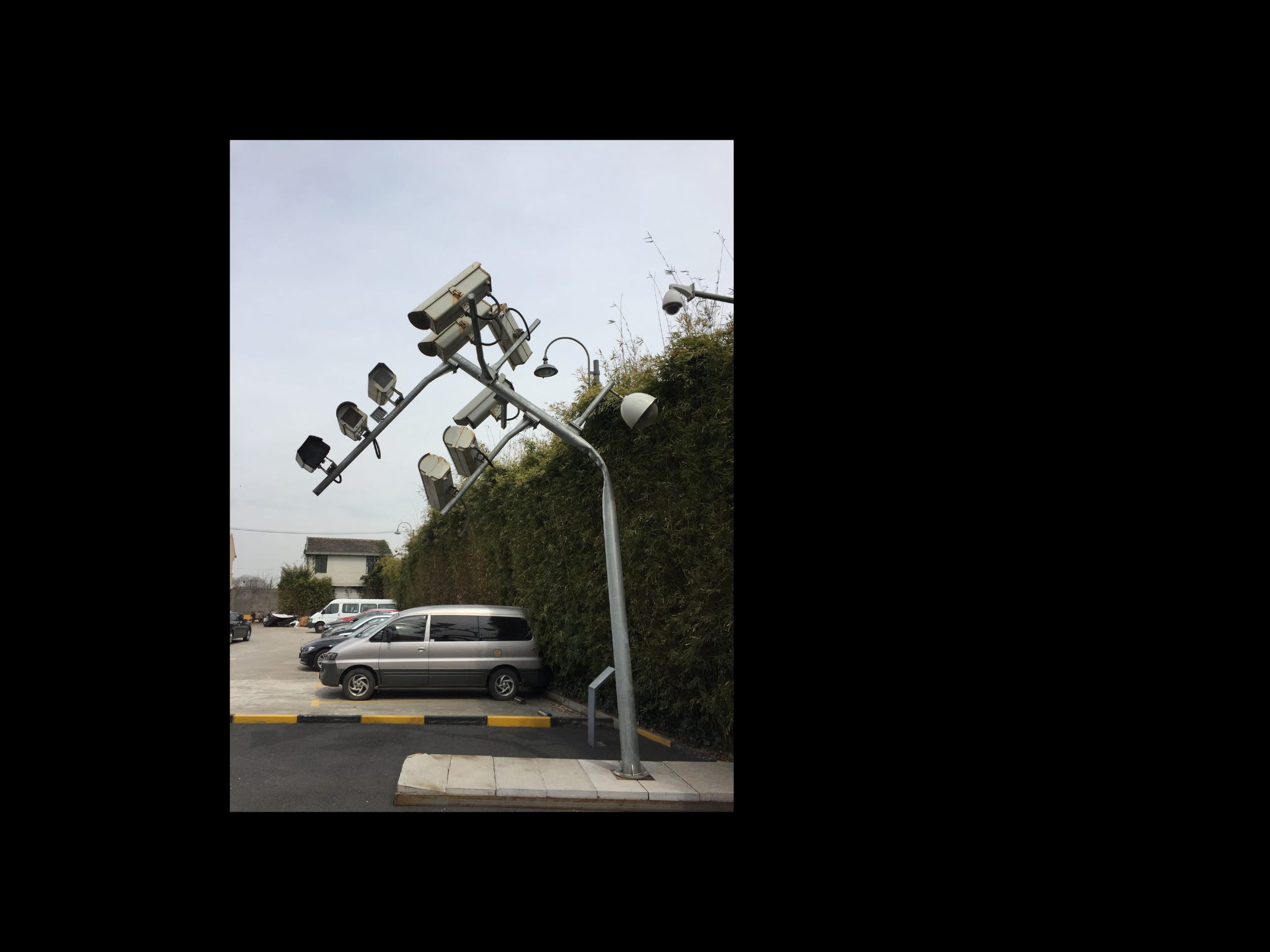
This isn’t about nostalgia for a pre-digital world. It’s about reestablishing boundaries. About remembering that not everything belongs to everyone. “Cameras off” doesn’t mean silence or secrecy. It means space. It means giving moments the dignity to stay unrecorded. State-controlled surveillance is already huge, so why also supporting it as an individual? “Cameras off” means valuing attention over exposure. It means reminding ourselves: this is mine. This experience. This feeling. This fragile, imperfect moment that doesn’t need to be seen to matter.
What now? A few takeaways
We’re not going back. But we can move forward more deliberately. Whether you’re navigating your own digital life or shaping how an organisation shows up in public, a few questions might help:
For individuals:
Do I need to share this—or am I just trained to?
Who is this for, and what does it cost me to post it?
Can I create more moments that are just mine. Unseen, unshared, and still meaningful?
For brands, institutions, and communicators:
Are we communicating for attention or for value?
What does discretion look like in our messaging?
Could intimacy, privacy, or slowness be part of our strategy? Not a flaw, but a feature?
We live in a world where visibility is default, and silence feels radical. But not everything should be said. Not everything should be filmed. Some things should just be felt—deeply, privately, and without the need to prove anything to anyone.
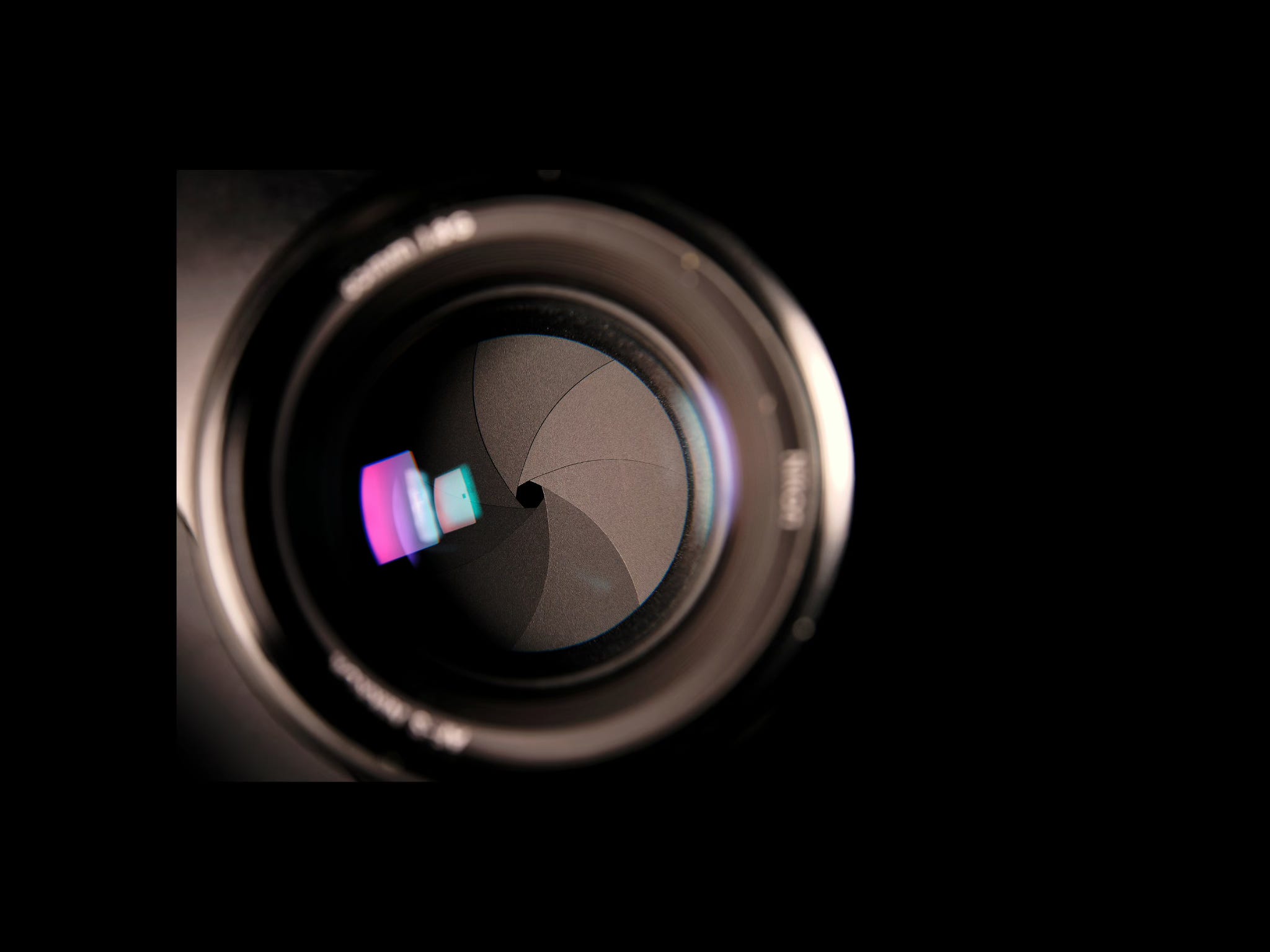
Cameras used to have a shutter that stayed closed until you pressed it. Today’s smartphone and surveillance cameras are always on, watching, waiting, ready to capture.
Cameras off. Not always, but often enough to remember what it’s like to be truly there.
*Moritz
Culture Shifts is the communications consultancy for a new present, based in Milan. We prepare companies & organisations for present and future challenges through strategic positioning, cultural research & solution-based brand consulting in times of cultural change, impact economy and artificial intelligence.